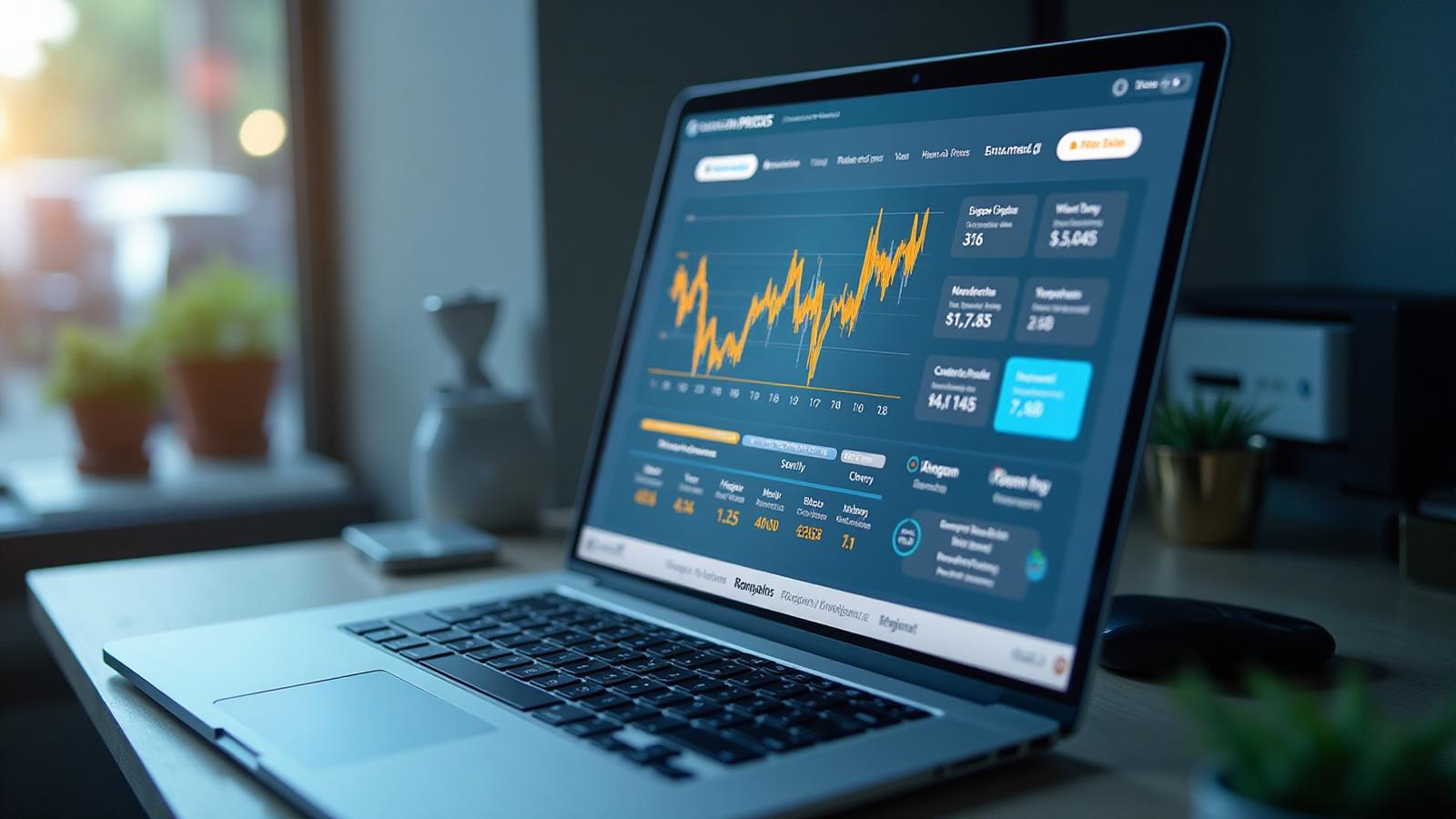
What is Dynamic Pricing?
Dynamic pricing is a strategy where prices are adjusted in real-time based on market conditions, demand, competition, and other factors. Unlike static pricing, dynamic pricing allows businesses to optimize revenue continuously.
Real-World Examples
You experience dynamic pricing daily:
- Airlines: Flight prices change based on demand and timing
- Ride-sharing: Surge pricing during peak hours
- Hotels: Rates vary by season and occupancy
- E-commerce: Amazon changes prices millions of times daily
How Dynamic Pricing Works
The Core Components
1. Data Collection
Dynamic pricing systems gather data on:
- Competitor prices (real-time)
- Historical sales data
- Inventory levels
- Demand signals
When to Use Dynamic Pricing
Ideal Scenarios
- High-volume, competitive markets: Electronics, consumer goods
- Perishable inventory: Fashion, seasonal items
- Frequent competitor price changes: Marketplaces
Implementation Best Practices
Start with Rules-Based Pricing
Begin with simple rules before advancing to AI-driven optimization.
Set Clear Guardrails
Define boundaries to protect your business.