What Is Competitive Pricing Intelligence?
Competitive pricing intelligence is the systematic collection, analysis, and application of competitor pricing data to optimize your own pricing strategy. It transforms pricing from a cost-plus formula or gut feeling into a data-driven discipline that balances market positioning, profitability, and competitive dynamics.
In 2025, pricing intelligence goes far beyond tracking competitor price points. It encompasses promotional patterns, discount strategies, pricing elasticity analysis, market positioning, and the ability to predict competitive moves before they happen. This creates a strategic pricing layer that maximizes revenue while maintaining market competitiveness.
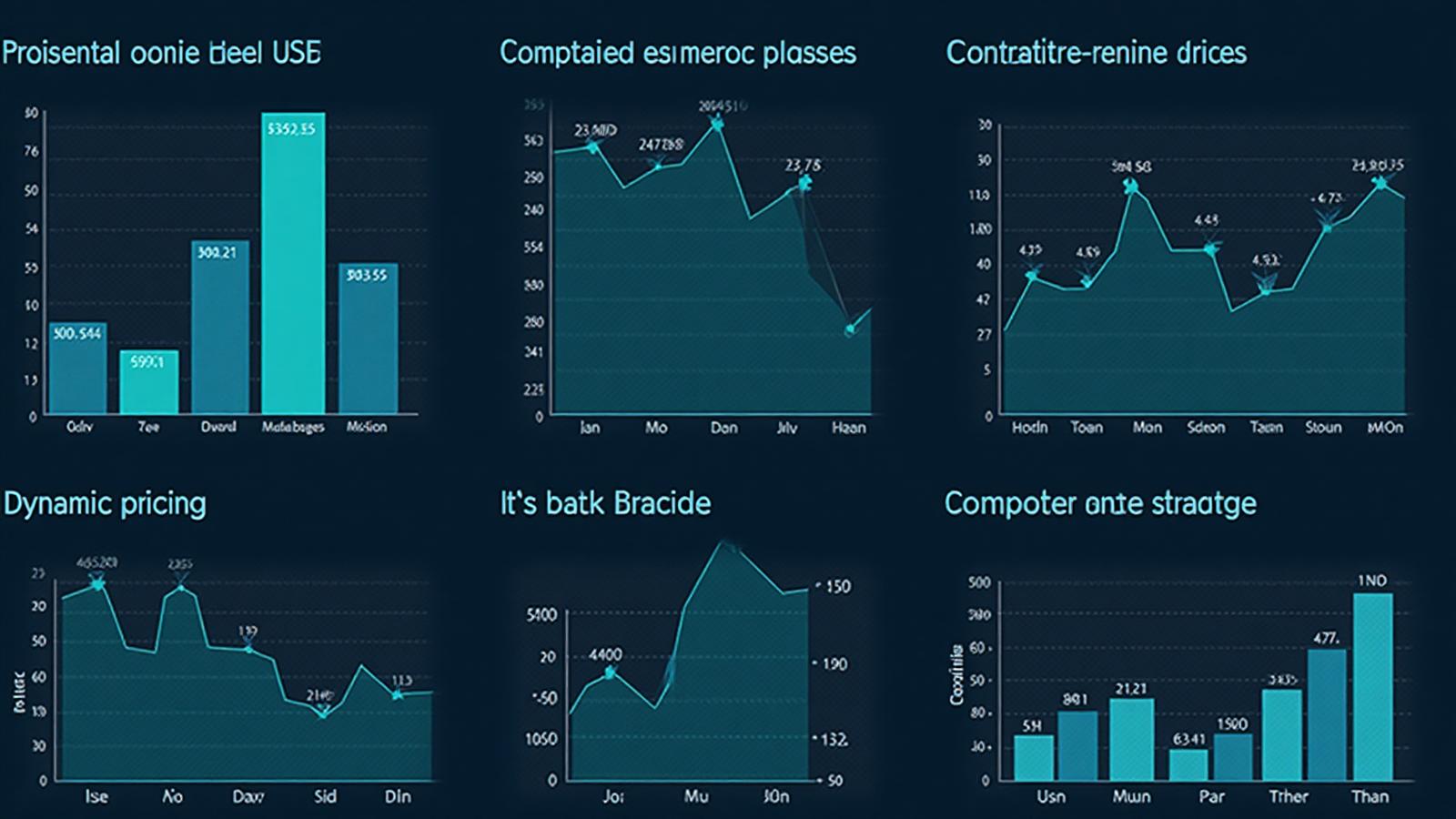
The Evolution of Pricing Strategy
Traditional pricing relied on simple cost-plus margins or periodic competitive surveys. This manual approach was slow, inconsistent, and often outdated by the time decisions were made. Modern competitive pricing intelligence operates in real-time with:
- Automated price monitoring across unlimited competitors and product categories.
- Dynamic pricing algorithms that adjust to market changes within minutes or hours.
- Historical trend analysis revealing seasonal patterns and strategic shifts.
- Predictive modeling forecasting competitor pricing moves and market reactions.
- Multi-dimensional analysis incorporating promotions, bundles, shipping costs, and value-adds.
The result is a responsive pricing strategy that maximizes margin opportunity while defending market position—automatically and continuously.
Why Competitive Pricing Intelligence Matters
1. Revenue Optimization Without Market Share Loss
The holy grail of pricing strategy is maximizing revenue without sacrificing volume. Competitive intelligence identifies the precise price points where you can capture margin without becoming uncompetitive. This is especially critical in categories where 2-5% price differences drive significant conversion changes.
2. Strategic Positioning and Brand Perception
Price communicates value positioning. Are you the premium option, the value leader, or the balanced choice? Competitive pricing intelligence ensures your prices align with your intended market position—and reveals when competitors attempt to undermine that positioning.
3. Promotional Effectiveness and Timing
Track competitor discount patterns, flash sales, seasonal campaigns, and promotional cadence. Learn which promotions drive real volume and which are margin-eroding noise. Time your own promotions to maximum effect—or avoid promotional periods where competition is too intense.
4. Dynamic Market Response
Markets shift constantly. New entrants disrupt pricing norms. Established players test new strategies. Supply chain disruptions force repricing. Real-time competitive intelligence enables immediate response—raising prices when competitors do, defending position when attacked, exploiting gaps when they appear.
5. Category and Product-Level Insights
Not all products require the same pricing strategy. High-visibility items may need aggressive competitive pricing. Niche products may support premium margins. Competitive intelligence reveals which products drive comparison shopping and which operate in less price-sensitive contexts.

The Infrastructure of Modern Pricing Intelligence
Effective competitive pricing intelligence requires sophisticated technical infrastructure:
- Scalable Data Collection: Distributed systems monitoring thousands of products across dozens or hundreds of competitor sites, refreshing multiple times daily.
- Product Matching and Normalization: AI-powered algorithms that identify identical products across different SKUs, descriptions, and marketplaces, then normalize pricing for accurate comparison.
- Promotional Detection: Systems that identify discounts, coupons, bundles, and shipping offers—capturing total customer cost, not just list price.
- Time-Series Storage: Historical databases preserving every price change, enabling trend analysis, seasonality detection, and competitive pattern recognition.
- Alert Systems: Event-driven notifications when competitors make significant pricing moves, launching new products at aggressive prices, or running unexpected promotions.
- Analytics and Visualization: Dashboards translating raw pricing data into actionable insights—price positioning maps, elasticity curves, competitive heat maps, margin opportunity analysis.
- Integration Layers: APIs connecting pricing intelligence to e-commerce platforms, ERP systems, and pricing engines for automated repricing workflows.
Key Metrics and Frameworks
Price Index and Positioning
Calculate your average price position relative to competitors. Are you consistently 5% higher? 10% lower? Does this align with brand strategy? Price indices reveal positioning drift over time and highlight categories where you're out of alignment.
Price Gap Analysis
Identify specific products where price gaps create risk or opportunity. Large gaps may signal overpricing that drives customers to competitors—or underpricing that leaves margin on the table. Prioritize gap closure where it matters most.
Promotion Frequency and Depth
Track how often competitors discount and by how much. Deep, frequent discounts may indicate desperation or a race-to-the-bottom. Rare, strategic promotions suggest disciplined pricing. Adjust your own promotional calendar accordingly.
Availability and Stock-Out Correlation
Price becomes irrelevant if products are out of stock. Monitoring competitor availability reveals supply chain strength and creates repricing opportunities when competitors can't fulfill demand.
Customer Perception and Price Sensitivity
Combine competitive pricing data with customer behavior analytics. Which price changes drove conversion impacts? Which went unnoticed? Build category-specific elasticity models that predict customer response to pricing moves.
Implementing Competitive Pricing Intelligence
Step 1: Define Competitive Universe
Identify which competitors matter. Direct head-to-head rivals? Online pure-plays? Marketplaces? Mass retailers? Different product categories may have different competitive sets. Be comprehensive but focused.
Step 2: Establish Data Collection Infrastructure
Build or partner for automated pricing data collection. Manual processes don't scale. Ensure systems capture not just list prices but total customer cost—shipping, taxes, fees, promotions.
Step 3: Implement Product Matching
Accurate comparison requires matching your products to competitor equivalents. Invest in AI-powered matching or dedicate resources to manual validation. Garbage in, garbage out applies forcefully to pricing intelligence.
Step 4: Create Dashboards and Alerts
Raw data overwhelms. Build visualization layers that surface insights—which products are overpriced, where competitors are aggressive, what trends are emerging. Configure alerts for critical pricing events requiring immediate response.
Step 5: Integrate with Pricing Workflows
Competitive intelligence should inform—and in mature implementations, automate—pricing decisions. Connect intelligence systems to pricing engines. Define rules for automated repricing within guardrails. Reserve manual intervention for strategic exceptions.
Step 6: Monitor, Learn, Iterate
Pricing strategy isn't static. Continuously test hypotheses. Did lowering prices on high-visibility items drive overall basket growth? Did premium pricing on exclusive products hold? Use A/B testing and measure outcomes. Refine algorithms and rules based on results.
Advanced Applications and Trends
AI-Powered Price Prediction
Machine learning models now predict competitor pricing moves based on historical patterns, market conditions, and strategic signals. This enables preemptive pricing adjustments—getting ahead of the market rather than reacting to it.
Personalized Competitive Intelligence
Not all customers see the same competitive set. Business buyers may compare different vendors than consumers. Geographic markets have different competitors. Advanced systems tailor competitive intelligence to customer segments and contexts.
Cross-Channel Pricing Orchestration
Competitors price differently across channels—own sites, marketplaces, retail partners. Comprehensive intelligence tracks all channels, ensuring your pricing strategy considers the full competitive landscape wherever customers shop.
Value-Based Pricing Enhancement
The future combines competitive intelligence with value-based pricing. Understand not just what competitors charge but what customers perceive as fair value. Optimize pricing at the intersection of competitive positioning and customer willingness to pay.
Common Pitfalls to Avoid
Racing to the Bottom
Competitive intelligence should inform strategy, not trigger automatic price cuts. Always being cheapest destroys margin and brand value. Sometimes the right move is maintaining price and competing on value, service, or differentiation.
Ignoring Total Cost of Ownership
List price is only part of customer cost. Shipping, handling fees, return policies, warranty costs, and installation all factor in. Ensure intelligence captures total competitive cost, not just sticker price.
Over-Reliance on Automation
Automated repricing increases efficiency but requires guardrails. Set minimum margins, maximum price movement limits, and strategic exceptions. Reserve human judgment for categories where brand positioning matters more than algorithmic optimization.
Incomplete Competitive Coverage
Monitoring only obvious direct competitors misses emerging threats. New entrants, vertical integrators, and marketplace aggregators can disrupt pricing norms. Maintain broad competitive awareness even while focusing execution on primary rivals.
Measuring Success
Evaluate pricing intelligence impact through:
- Revenue Growth: Did improved pricing strategy drive top-line expansion?
- Margin Improvement: Were you able to capture pricing power without volume loss?
- Competitive Win Rate: Are you gaining market share in key categories?
- Price Positioning Accuracy: Does actual market position match intended strategy?
- Time to Market Response: How quickly do you detect and respond to competitive pricing moves?
- Promotional ROI: Did competitive insights improve promotional effectiveness and reduce margin erosion?
The Future of Competitive Pricing Intelligence
As markets accelerate and competition intensifies, pricing intelligence evolves from competitive advantage to competitive necessity. Organizations that master data-driven, intelligence-informed pricing will outperform those relying on intuition and delayed market signals.
The winners will combine automated data collection, AI-powered analysis, strategic human judgment, and integrated execution systems. They'll price with precision, respond with speed, and optimize continuously—turning pricing from a cost center into a profit engine.
Competitive pricing intelligence isn't about always being cheapest. It's about being strategically positioned, operationally responsive, and relentlessly optimized. In 2025 and beyond, that's the difference between market leadership and market following.